Anna Powell
Therapy in Bath
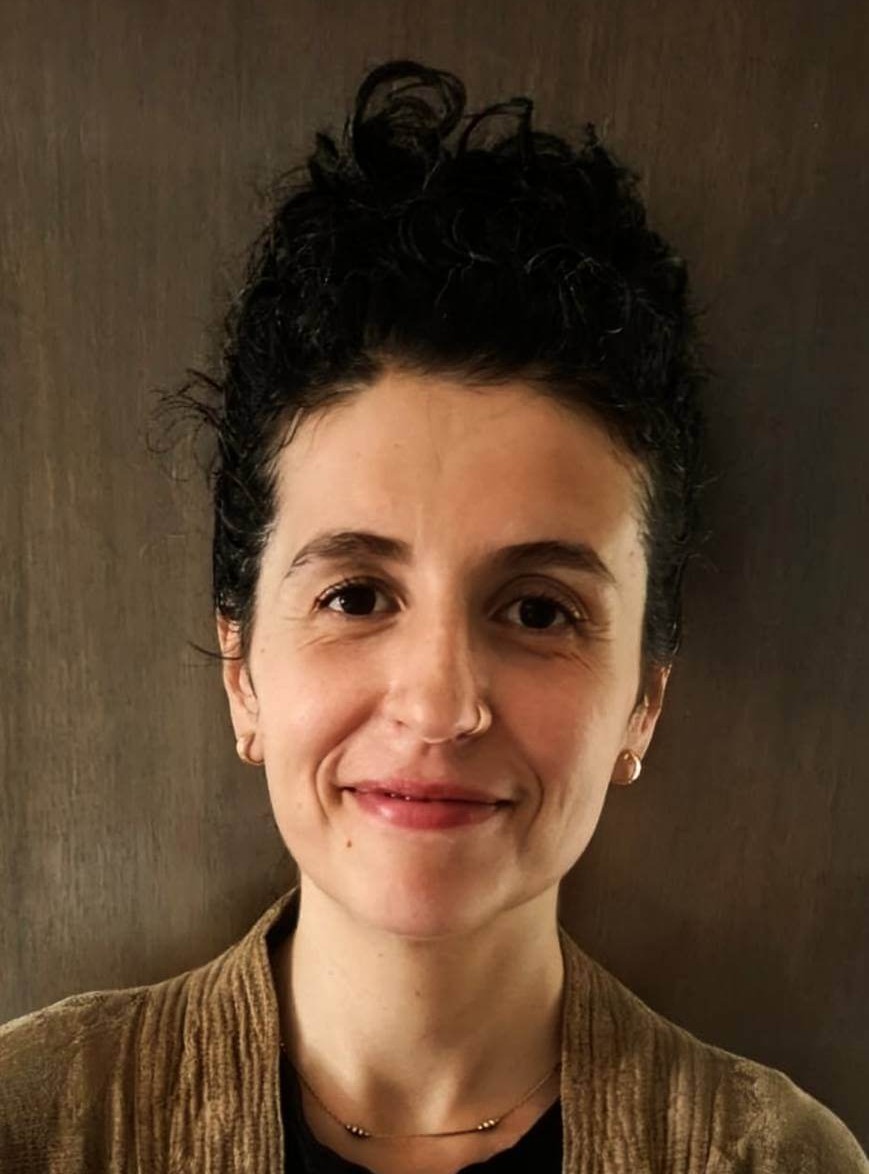
I am a psychotherapist in training, currently completing a master’s degree in humanistic and integrative psychotherapy, and a trainee member of the UK Council for Psychotherapy (UKCP). I offer private therapy session for adults and am also available for therapeutic work in German.
My approach is marked by a special interest in intergenerational trauma and existential struggles. Together we can seek to understand the patterns that have been passed down to you and if promises you made to yourself when you were young are still serving you. We can also explore how to make meaning of your past experiences and live more purposefully going forward.
I have recently worked with new parents, both mothers and fathers, who took this defining moment as a starting point to seek change. I have also worked with high-achieving adults who felt stuck and anxious despite their accomplishments. I have life-long experience what it means to inhabit different cultures and how languages, varying social norms and accepted behaviours require different sides of oneself.
Get in touch if you would like to explore if and how I could help you. If you have never had therapy before or if you are generally not sure how therapy could help you heal, I am very happy to talk this through with you, independently of us working together.
My approach
What does humanistic and integrative psychotherapy mean?
Humanistic psychotherapy has at its core the conviction that everyone is capable of growth and positive change given the right conditions.
Integrative means that I learn about a wide range of different approaches, giving me a broad academic foundation from which I can draw.
My personal therapeutic approach is moreover shaped by three core interests:
Relational.
Our relationships define who we are. We learn to interact and what to expect from others and the world through relationships. When we are young, relationships might shape us more profoundly because we grow and make patterns while we inhale these dynamics. But we never stop developing and we never stop being in relation to others. The patterns you built might be harder to change with time and with reaffirming experiences, but they are never set in stone. Relationships go both ways and you have the power to change your side, thereby influencing the dynamic. Therapy is foremost a relationship, where two people meet in a unique setting, influencing each other. It is a chance to see what happens in the here and now of the therapeutic alliance and to use this for growth and change.
Intergenerational.
We are formed by our environment, by our geographical roots and by what our family had to endure. Often past generations did not have the words and tools to deal with their trauma, or they would have not been the kind of people to use them even if they had. It takes hard work to change things, to face not only your past, but the themes that were passed down to you. Especially when working with trauma that is complex there is a lot to make sense of. While I believe that understanding is an important step in being able to change, I also found that working with the body is crucial. Memories and feelings, especially if unprocessed, remain stored in the body. They need to be listened to in order to let go. Visualisation techniques can often help to clarify what is going on for you.
Existential.
While everyone has their unique story, influences and experiences, we are also united as humans. Pain and sorrow are inescapable parts of being alive. We all have to face uncertainty, deal with anxiety, and live finite lives. We all tend to get distracted by the noise and demands of daily life. But, crucially, what we do with our existence is up to us. It takes courage and curiosity to shape your path within your unique framework. Therapy is often about understanding how the past influenced you and about exploring new ways of being in the present. In addition, I believe therapy should also be about how to consciously move forward. While everyone can only find these answers for themselves, therapy can offer you the time and space to explore how to live with more freedom and purpose.
About me
My background is in science, and I have a PhD in physics. I specialised in medical physics, where I worked on novel technologies to treat cancer and heart conditions. My life used to be very different, I used to be different. I was born in another country, and into a political regime that does not exist anymore, emigrated at a young age to Germany, where I grew up, and often felt different. I thought only academic success and constant striving would make me happy. My life has taken many twists and turns but only when I started to slow down, pay attention to my feelings and give myself more time, did I finally start to become healthier, happier and more purposeful in my decisions how I want to live my life. Part of this development is my retraining as a therapist.
I am currently working towards a master’s degree in integrative and humanistic psychotherapy at the Bath Centre for Psychotherapy and Counselling (BCPC), a UK Council for Psychotherapy (UKCP) accredited training organisation. This is an extensive and in-depth academic training which focuses on teaching a wide range of approaches to psychotherapy. I will receive a master’s degree from Middlesex University, London.

I am receiving clinical supervision for all my client work, which means that I discuss my work with an experienced psychotherapist, who offers guidance and support. I am fully insured and a trainee member of UKCP, abiding to their Code of Ethics and Professional Practice. I am also in ongoing therapy of my own, so I know what the process feels like from the other chair, how difficult and unsettling it can be at times.
Earlier in my training I worked for two years in the Relational and Trauma Counselling Programme of the local government’s Bright Start Children’s Centre. The people I saw came from a wide range of backgrounds, cultures, and included both mothers and fathers. What they all had in common was that they were parents who wanted a space to start processing their own traumatic childhood experiences with the wish to create a better environment for their children.
Practical Information
What are your fees?
£35
Sessions are fifty minutes long and take place weekly at the same time and day. While I seek my qualification this fee is set by my training organisation and will increase by £5 every year as I progress through the training. I will communicate any changes to this fee in due time.
Where do you practice?
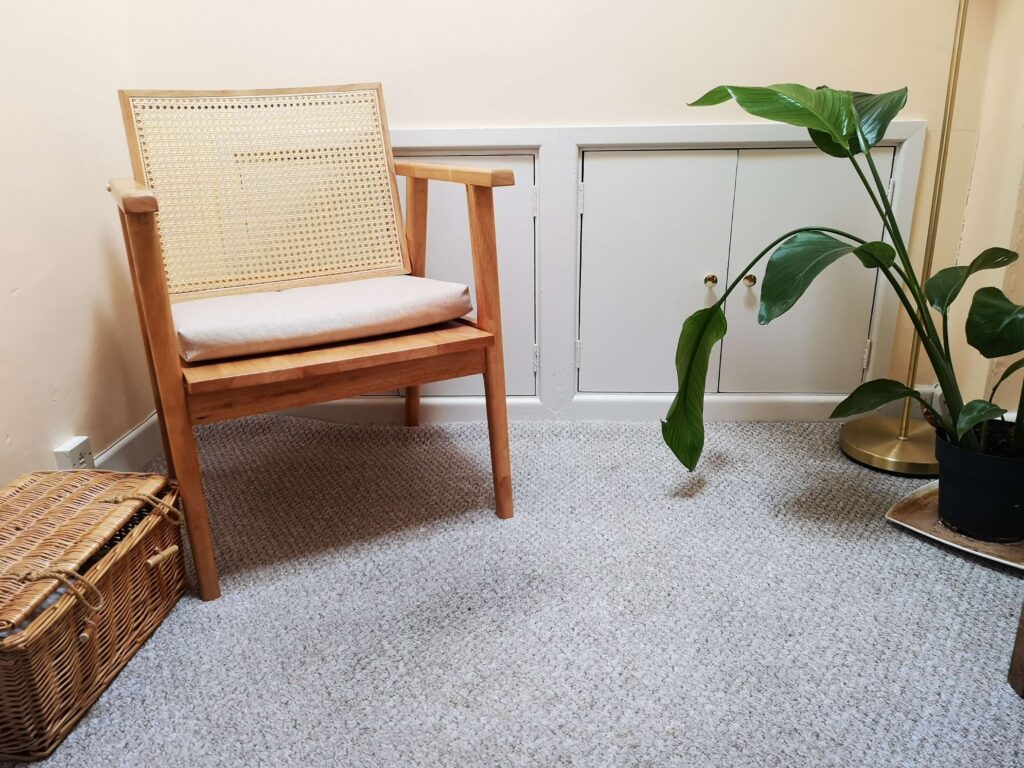
I practice in a small room in a well-established private practice in James Street West in Bath, BA1 2BT. The room is on the second floor.
Sainsbury’s in Green Park is just across the street, where parking is free for ninety minutes.
What happens after I get in touch?
What matters is how you feel being in the room with me. The therapeutic alliance is a unique and sometimes challenging relationship. Only you can decide if this is something you feel comfortable sharing with me. So please get in touch to schedule an initial session, where we can both see if I am the right therapist for you.
What can I expect from an initial session?
We would discuss where you currently are and what you hope to achieve from therapy. We can also discuss the length of therapeutic work together, for example if your current circumstances might only allow for a certain number of sessions, and how we would agree on an appropiate time to end. We would go through my terms of service and data protection notice. And we would spend time to clarify any questions you might have.
What can I expect from therapy?
You are the expert on your life, but therapy is a chance to make sense of it together and re-examine core beliefs about yourself, your relationships and your life. We all look at our experiences through certain lenses. Therapy is a way of letting someone in so they get to understand and see your unique lens. And it is crucially also about being gently challenged, about being open to seeing your experiences and also yourself differently.
It is a hard process, often painful because it not only means revisiting what has happened to you but also letting go of core beliefs that often developed to provide safety in circumstances that were maybe beyond your control. It requires time and trust. But it can change you in ways that are often hard to predict, and which can make you feel calmer, more grounded, and lead to a deeper sense of feeling alive.